keystone

Foam and coating

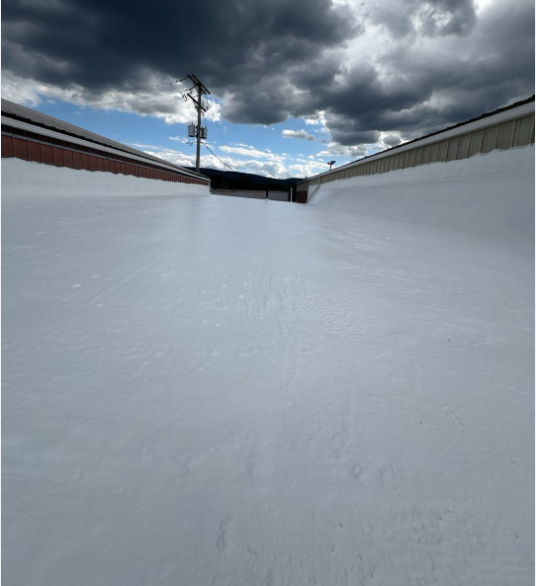
Foam coating is an advanced and highly efficient surface modification technique used across diverse industries, from textiles to advanced manufacturing and construction. By mechanically expanding liquid formulations with air or gas, it creates a rich, controlled foam that is applied uniformly onto substrates. This innovative method drastically reduces liquid absorption, allowing for precise surface-level penetration without saturating the core material. In textiles, it delivers specialized finishes like waterproofing and flame retardancy while preserving fabric softness. In structural and creative industries, it provides a robust, protective outer shell for fragile materials like expanded polystyrene (EPS). As a modern engineering solution, foam coating perfectly bridges the gap between high-performance surface functionality and environmental responsibility, making it an indispensable process for modern, forward-thinking manufacturing.
Features & Benefits

Foam coating is an advanced and highly efficient surface modification technique used across diverse industries, from textiles to advanced manufacturing and construction.

Eco-Friendly Efficiency

By using air as the primary carrier instead of massive volumes of water, the process drastically cuts down on moisture absorption. This translates to significantly reduced drying times, resulting in massive energy savings and a lower carbon footprint.

Superior Softness and Texture

Unlike traditional liquid coatings that can leave materials stiff or heavy, foam distribution ensures a lightweight, uniform layer. This keeps textiles incredibly soft, pliable, and premium to the touch while maintaining full functional performance.

Precise Penetration Control

The dense structure of the foam allows chemicals to stay exactly where they are needed. It prevents the solution from bleeding through to the opposite side of the substrate, making it perfect for single-sided applications like blackout curtains.

Enhanced Impact Resistance

When applied to lightweight or fragile substrates like EPS foam and polystyrene, it cures into a rigid, protective shell. This structural armor shields the underlying material from dents, cracks, scratches, and harsh environmental wear.

Maximum Chemical Savings

The high-volume expansion of foam guarantees optimal surface coverage using a fraction of the raw chemicals required by dipping methods. This minimized waste translates directly into lower production costs and maximized profitability.